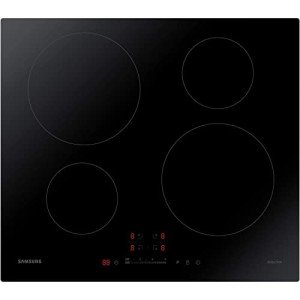
Induction Hob Installation: A Comprehensive Guide
Induction hobs have acquired appeal in modern cooking areas due to their energy effectiveness, speed, and precision in cooking. Unlike conventional gas or electric cooktops, induction hobs utilize electromagnetic energy to straight heat pots and pans. This innovative technology not only enhances cooking performance however likewise improves security by lessening the danger of burns. Nevertheless, setting up an induction hob needs mindful planning and consideration of numerous aspects. This article offers a detailed guide to induction hob installation, together with essential tips, benefits, and regularly asked questions.
Benefits of Induction Hobs
Before delving into the installation process, let's check out some benefits of induction hobs that make them a preferred option for numerous households:
- Energy Efficiency: Induction hobs use less energy as they move heat straight to pots and pans, leading to quicker cooking times and decreased energy bills.
- Security: The surface area of an induction hob does not fume throughout cooking, significantly lowering the risk of burns or fire threats.
- Easy Cleaning: The flat surface of induction hobs makes them simple to clean, as spilled food does not get baked onto the surface.
- Precise Control: Induction hobs guarantee fast temperature level changes, permitting precise control over cooking temperatures.
Secret Considerations Before Installation
1. Electrical Requirements
Induction hobs require a greater electrical output compared to standard electrical hobs. Guarantee that your electrical supply satisfies the requirements of your particular induction design, generally 3 kW to 7.4 kW.
2. Pots and pans Compatibility
Induction cooking depends on magnetic pots and pans. Simplistically, if a magnet adheres to the bottom of your pots and pans, they are appropriate for induction cooking.
3. Worktop Specifications
Your kitchen area worktop must support the weight of the induction hob and accommodate the installation measurements. Guarantee that the worktop material is heat-resistant and ideal for cooking area use.
4. Space Utilization
Think about the readily available space in your cooking area and how the induction hob will fit within that environment. You must likewise leave appropriate clearance for air flow around the appliance.
Table 1: Induction Hob Dimensions and Space Requirements
| Induction Hob Size | Minimum Installation Depth | Minimum Clearance Height | Advised Countertop Thickness |
|---|---|---|---|
| 30 cm | 60 cm | 30 cm | 2.5 cm to 4 cm |
| 60 cm | 60 cm | 30 cm | 2.5 cm to 4 cm |
| 90 cm | 60 cm | 30 cm | 2.5 cm to 4 cm |
Step-by-Step Guide to Installing an Induction Hob
This section offers a detailed installation procedure, ensuring that your induction hob is established safely and correctly.
Step 1: Gather Required Tools and Materials
- Induction hob
- Screwdriver
- Level
- Determining tape
- Underlay or insulation materials
- Electrical wiring (speak with an expert electrical expert)
Step 2: Prepare the Worktop
- Procedure the Installation Area: Ensure that the worktop has appropriate space for the hob. Use a measuring tape, and mark the describes of the needed cut.
- Cut the Opening: Using a suitable saw, cut the opening in the worktop, ensuring smooth edges.
- Clean the Area: Remove any particles or dust from the cut area to prepare for installation.
Action 3: Position the Hob
- Location the Hob: Carefully position the hob in the prepared opening, guaranteeing it is level.
- Secure with Clips: If your design includes installation clips, use them to protect the hob to the worktop.
Step 4: Electrical Connection
- Link to Power Supply: This step must be brought out by a qualified electrical contractor. Follow the manufacturer's directions for wiring, guaranteeing that all connections are safe and secure and abide by regional electrical regulations.
Step 5: Check for Leaks
- After linking the induction hob, turn it on to check its performance. Ensure there are no spaces in between the hob and worktop that could cause water ingress.
Action 6: Finalize the Installation
- When tested, guarantee that all screws are tightened, and the hob is flush with the worktop. Tidy the surface area to get rid of any fingerprints or debris.
FAQs about Induction Hob Installation
1. Is it safe to install an induction hob myself?
While DIY installation is possible for those with electrical knowledge, it's advisable to employ a professional electrical contractor to ensure security and compliance with local guidelines.
2. What are the common concerns during installation?
Common concerns include inaccurate measurements, failure to inspect pots and pans compatibility, and inadequate electrical supply.
3. Can I set up an induction hob over a drawer or cabinet?
It is not recommended to install an induction hob directly over a drawer without appropriate heat insulations, as it may trigger damage to the kitchen cabinetry.
4. How do I know if my cookware works?
Conduct a simple magnet test. If the magnet adheres to the bottom, your pots and pans is induction suitable.
5. What should I do if the hob does not warm up?
Check the power supply and confirm that the hob is properly set up. If concerns persist, speak with the manufacturer's support or a certified professional.
Induction hobs use a modern and effective cooking option that can enhance any kitchen area. While visit this web page link might appear overwhelming, understanding the requirements and following an extensive guide can simplify the procedure. Prospective buyers should consider working with an expert for electrical connections to guarantee safety. With the right preparation and understanding, setting up an induction hob can change cooking experiences in exceptional ways.
With this information at hand, possible users can make informed choices about transitioning to induction cooking and installing their new hobs, causing a much safer and more effective kitchen area.